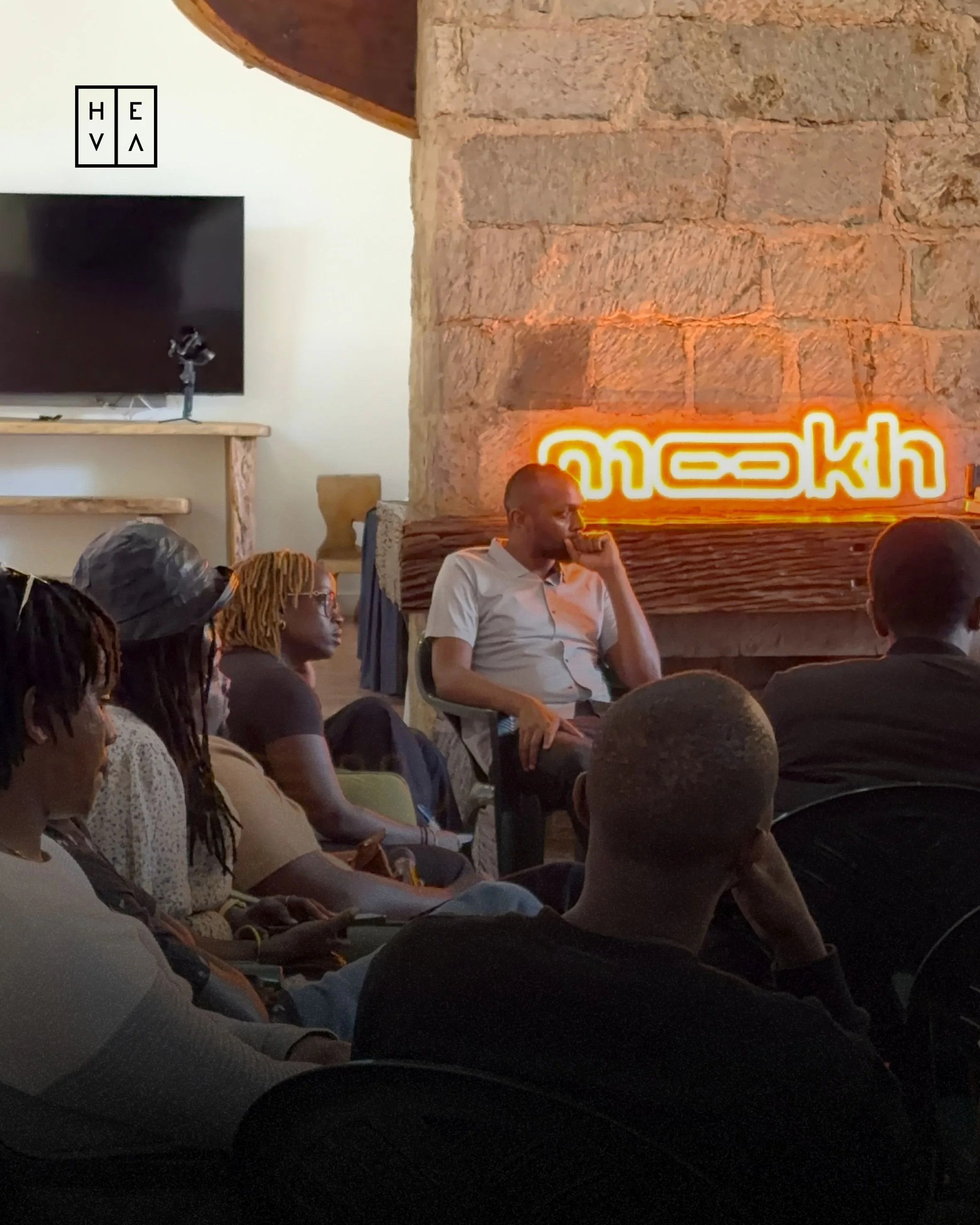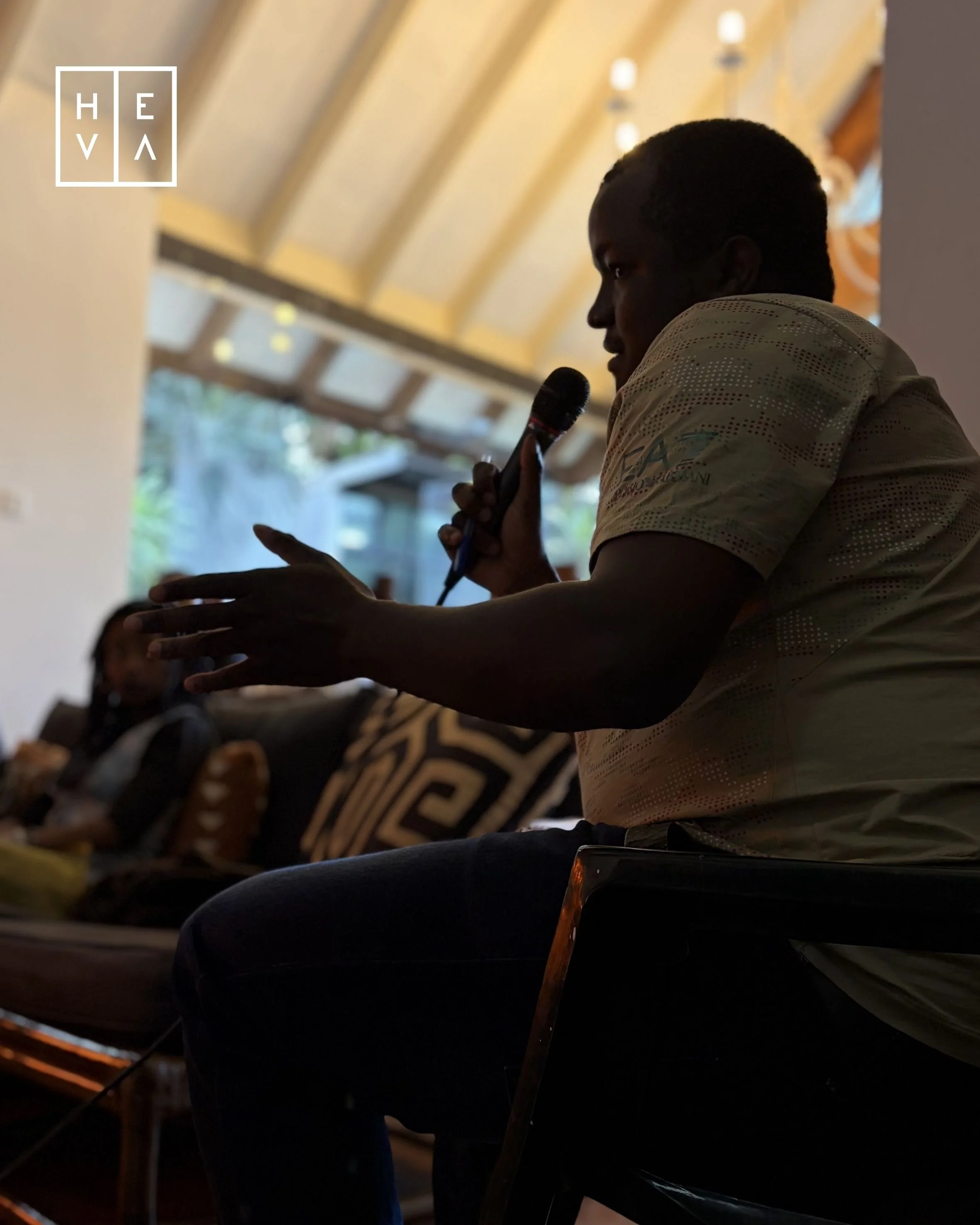
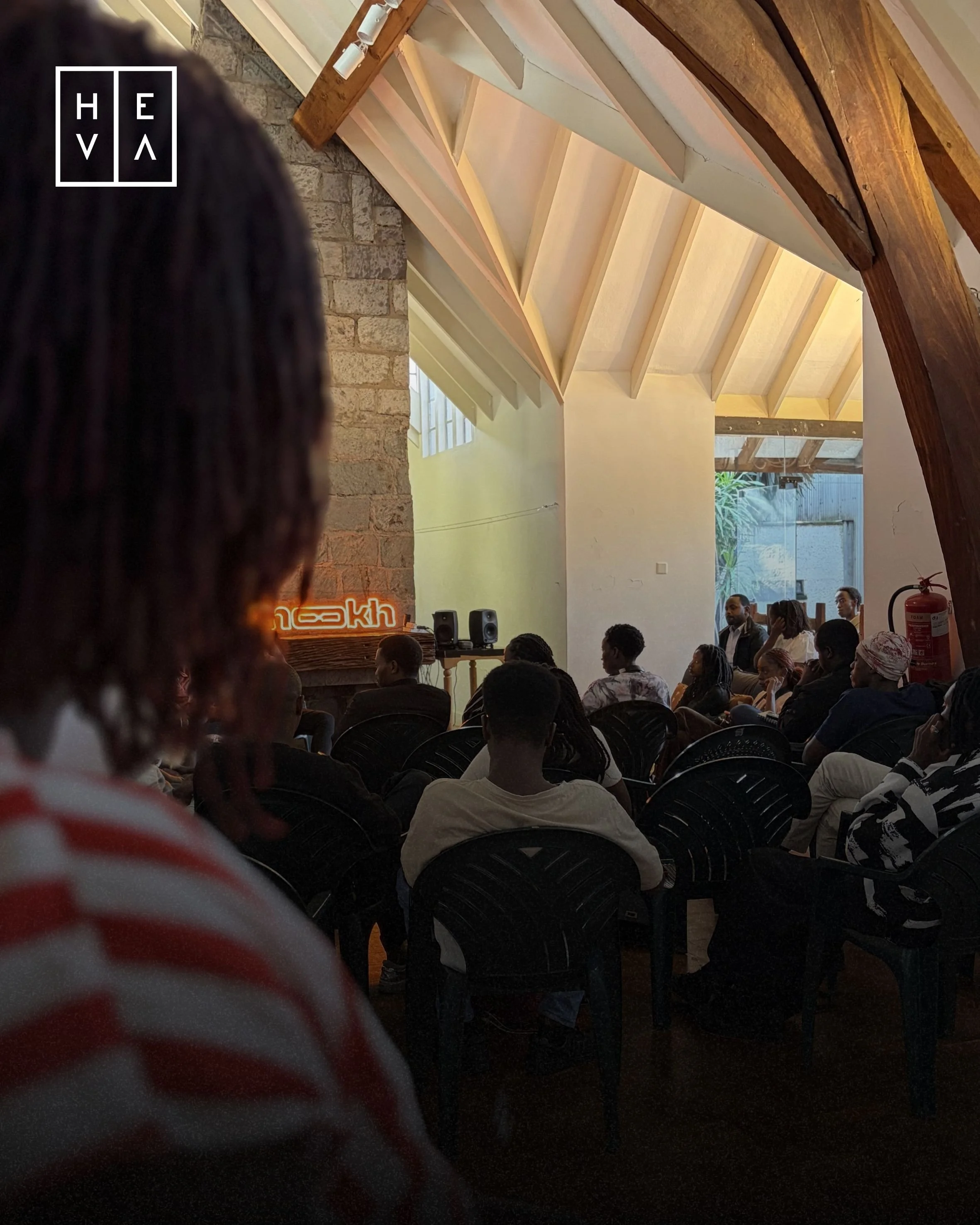
The MOOKH x Friends of the Artist Creative Finance Roundtable on 21st May covered a lot of ground, including financing, taxation, savings and sponsorship. But the conversation kept returning to the amount of time creative businesses spend trying to prove that what they've built is worth backing.
For many event organisers, artists and creative entrepreneurs, sponsorship has become an accepted part of doing business. A concept is developed, a proposal is written, a deck is designed, and meetings begin. Weeks become months. Budgets are revised. Concepts are adjusted. Audiences are described and re-described. Eventually, support may come. Often it doesn't.
People in the room spoke about organisers with proven audiences spending months trying to persuade prospective sponsors to support events that audiences had already demonstrated they wanted. They spoke about the time spent researching sponsor priorities, tailoring proposals, and reworking ideas to fit funding criteria. They spoke about conversations that stretched across months only to end with a polite decline or a fraction of the support originally requested.
The point isn't that sponsorship is bad. Sponsorship remains an important part of the creative ecosystem and many valuable projects would not exist without it. What surfaced instead was a question about dependence and the amount of energy required to sustain it.
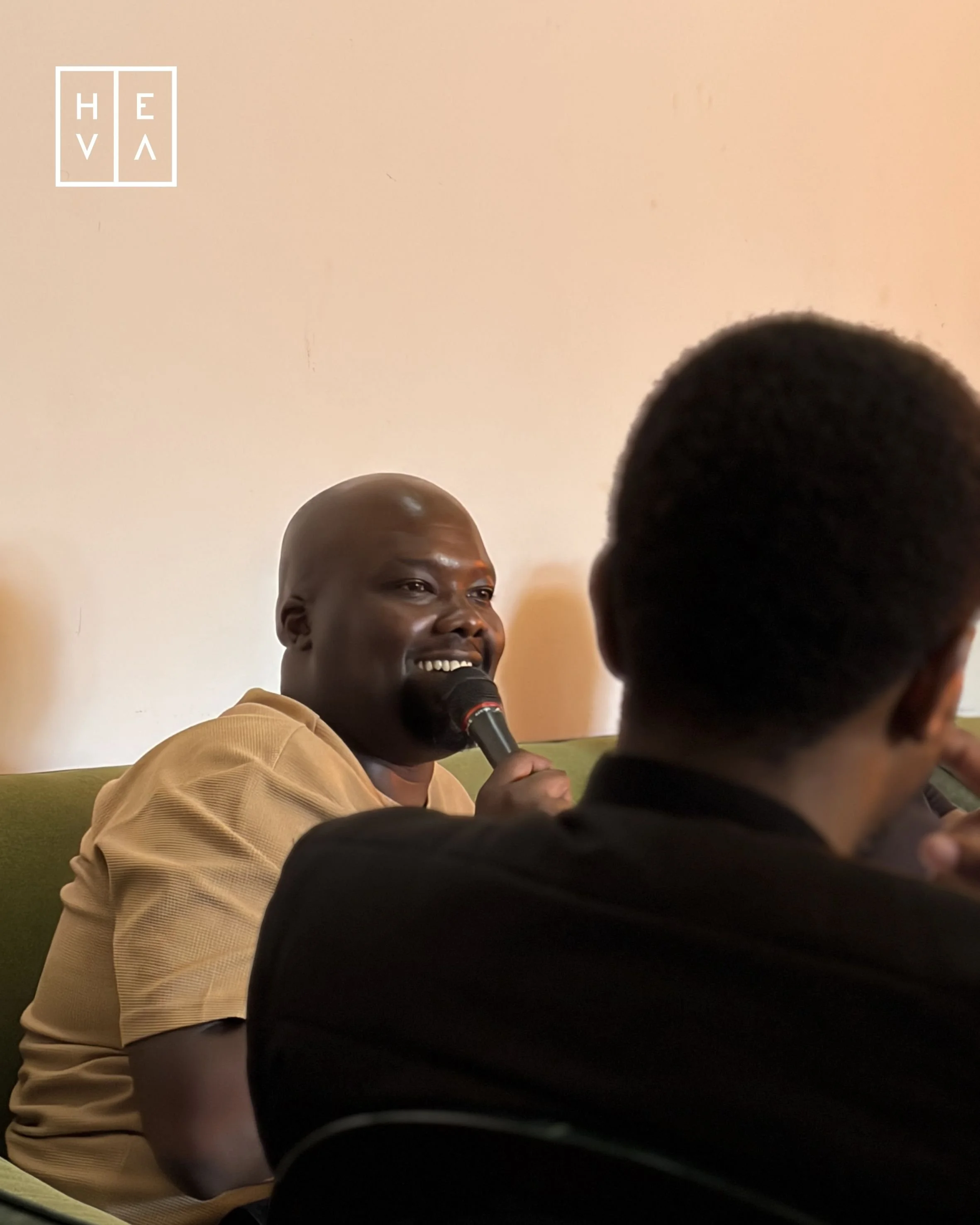
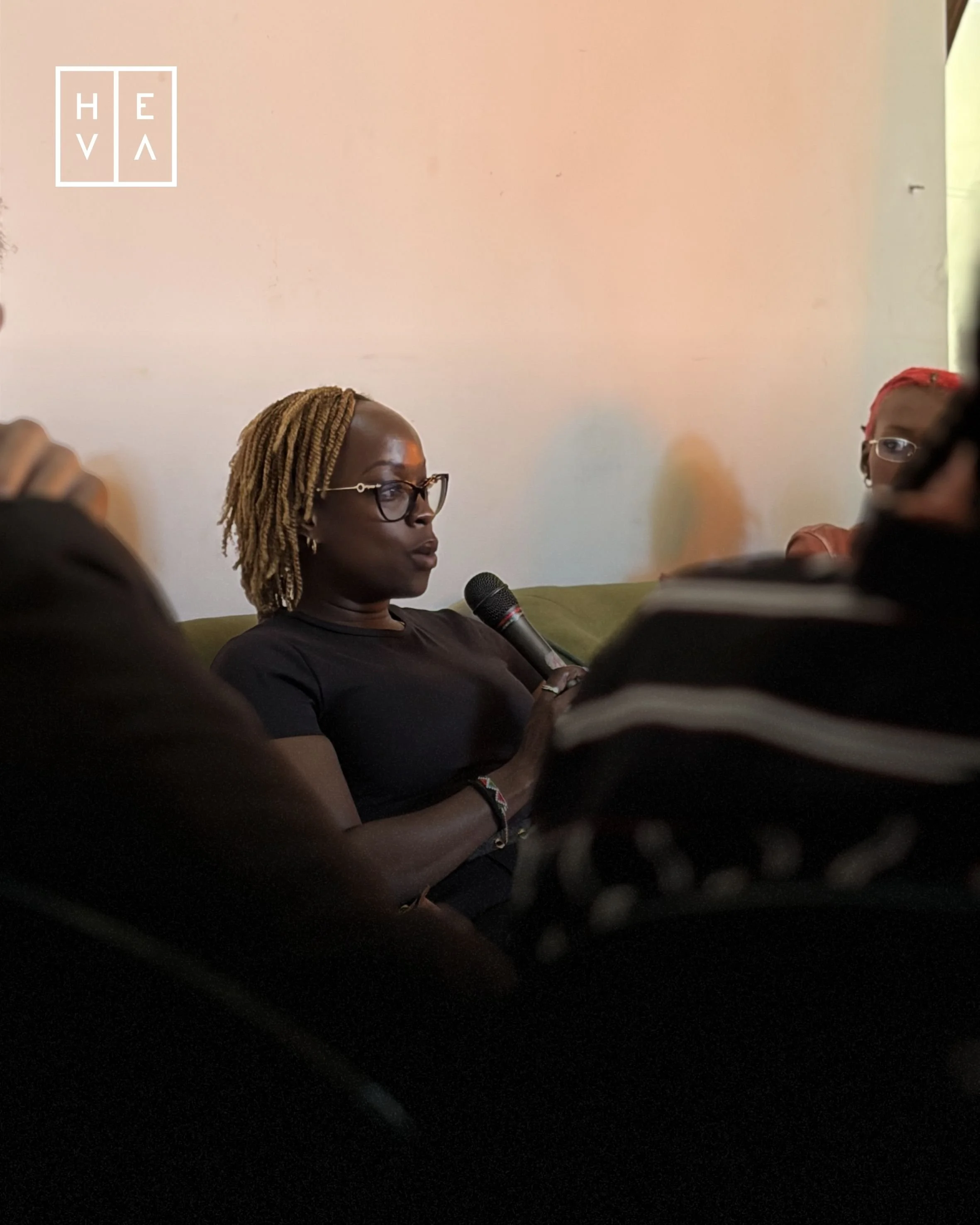
George Gachui, co-founder of MOOKH Africa, reflected on the financing realities facing event organisers. Before finding financing partners willing to understand the rhythms of event businesses, some organisers were accessing informal capital at rates as high as 10% per month. By the time a ticketed event had covered its costs and repaid the financing, very little remained. In those circumstances, growth is hard to sustain.
The challenge is not simply the cost of money. The deeper issue is where that dependency directs creative energy. Instead of building for audiences and inviting sponsors into something valuable, creatives can end up building for sponsors and hoping audiences follow.
What the conversation also surfaced is that this is beginning to change, and data is driving the shift. Creative businesses are increasingly able to demonstrate demand in ways that financial systems can recognise. Ticketing platforms can show attendance patterns over time. Digital platforms can reveal audience behaviour. Sales records demonstrate consistency and growth in ways that were much harder to capture a decade ago.
Platforms such as MOOKH have become increasingly important within the ecosystem because they are helping build the records that creative businesses need to understand their own performance and growth. Ticket sales become more than transactions. They become evidence of demand, audience behaviour and business history. The question is whether the sponsors and financiers that creative businesses work with know how to interpret it.
This is the logic we at HEVA build our financial instruments around. When assessing an event organiser's readiness for financing, audience history, platform performance, and track record often provide a clearer picture of the business than a proposal alone. The starting point is not a projection of what might happen. It is an understanding of what has already been built. Through Ota Kopa, organisers access financing before revenue arrives and repay after the event. The financing is structured around the realities of event businesses, where costs are incurred long before ticket revenue is realised. The cost of money comes down to 9% per year. Before, many organisers were navigating rates as high as 10% per month. The organiser keeps the profit and builds the next thing.
There is still a lot of ground to cover. The financing gap across the creative economy is bigger and more varied than what any single product can address. Different creative businesses have different capital needs, revenue cycles, and growth trajectories. Musicians, visual artists, fashion designers, and independent producers are all navigating versions of the same problem with limited options available to them.
But the conversation that started with sponsorship pointed to something worth sitting with. The energy creatives spend seeking approval from institutions that may never fully understand their work could, in some cases, be better spent on the audiences that already do.
Thank you to MOOKH Africa and Friends of the Artist for building a space for this kind of regular, honest exchange. Conversations like this sharpen our work.